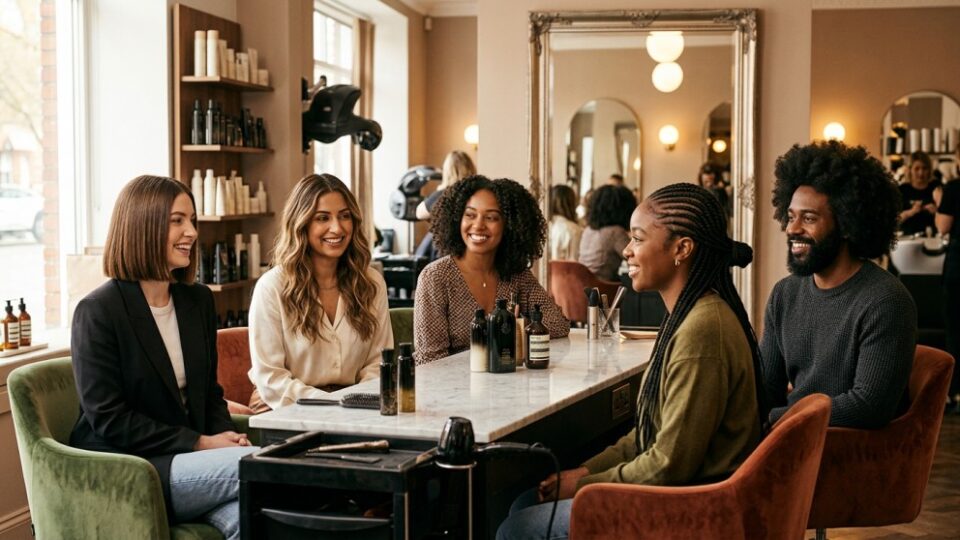
Hair has always been more than a biological feature — it’s a personal signature, a cultural statement, and, in many ways, a living canvas of self-expression. Across centuries and continents, hair has represented identity, beauty, and social power. In the modern era, understanding your hair type and the best styles for it can transform not only your look but also the way you move through the world.
But hair isn’t simple. Beneath those glossy strands lies a fascinating combination of genetics, chemistry, and artistry. This article unpacks everything — from the biology of different hair types to the best hairstyles that bring out their natural beauty.
Each strand of hair starts deep beneath the surface of your skin, inside a tiny sac known as the follicle. These follicles are where the magic happens: the production of keratin — a tough, fibrous protein that gives hair its strength and structure. The visible portion of your hair, called the shaft, is composed of three layers:
The shape of your follicle determines whether your hair is straight, wavy, curly, or coily. Round follicles produce straight hair, while oval or crescent-shaped follicles lead to curls and coils. This single biological trait is what gives humanity such an astonishing spectrum of textures.
Hair is commonly categorized using the Andre Walker Hair Typing System, developed by Oprah Winfrey’s famed hairstylist. This system classifies hair into four broad types based on texture and curl pattern.
Type 1 hair lies flat and reflects light easily, making it appear shiny and smooth. Because of its lack of curl, natural oils from the scalp distribute evenly, sometimes making straight hair prone to oiliness.
Styling tips:
Popular style examples: Kim Kardashian’s ultra-smooth center part, or Keanu Reeves’ effortless long straight locks during his John Wick years.
Wavy hair sits between straight and curly — it bends gently but doesn’t coil. It’s versatile and often holds style well without too much maintenance.
Subcategories:
Styling tips:
Style inspiration: Blake Lively’s cascading waves or Timothée Chalamet’s artfully tousled hair, both examples of embracing natural flow.
Curly hair ranges from loose, springy curls to tight ringlets. Each curl acts like a coiled spring, prone to dryness because natural oils struggle to travel along each twist.
Subcategories:
Styling tips:
Style examples: Zendaya’s red-carpet ringlets show how defined curls can look glamorous, while Lenny Kravitz exemplifies natural, untamed texture as pure style.
This type features the most tightly coiled strands, forming intricate textures from zigzags to spirals. It’s rich with personality and resilience but also delicate due to its structure.
Subcategories:
Styling tips:
Style inspiration: Lupita Nyong’o’s short, sculptural natural looks or Janelle Monáe’s creative updos — both celebrate the beauty of texture.
Beyond typing, other factors determine how hair behaves.
Knowing these traits helps you match products — such as lightweight serums for low-porosity hair or rich creams for high-porosity types — for proper care.
Hair tells stories. Across cultures, textures, colors, and hairstyles have conveyed identity and heritage for centuries.
Today, global cultures cross-pollinate through media, creating hybrid styles that break rules — where box braids meet balayage coloring and fade cuts pair with man buns.
Technology has revolutionized haircare as much as it has transformed skincare. Today’s hair products aren’t just cosmetic; they’re chemical-engineered for the scalp’s ecosystem.
Key innovations include:
This integration of biology and technology has shifted haircare into an era of precision. You no longer need to guess what your hair needs — data does the work.
Every era has its defining hairstyles, from the pompadours of the 1950s to the shag cuts of the 1970s. These trends reflect not only design but mood.
1950s: The polished wave and pompadour for men — icons like Elvis Presley — and women’s pin curls and victory rolls embodied post-war glamour.
1960s–70s: Freeform creativity erupted, with Afros, long hippie waves, and shaggy layers reflecting a rejection of conformity.
1980s: Volume reigned supreme. Teased hair, mullets, and neon streaks defined youth culture.
1990s–2000s: Sleek styles like “The Rachel,” straight-ironed locks, and clean fades entered pop culture via television and R&B icons.
2010s–2020s: The natural hair movement encouraged embracing authentic texture. Meanwhile, hybrid looks — fades mixed with braids, gender-fluid cuts, and neon underlights — symbolized individuality.
In 2026, the look is about texture harmony: blending personal authenticity with low-maintenance elegance, whether that’s a slick fade or an air-dried bob.
How we style and wear our hair can influence how the world perceives us — and how we perceive ourselves. Studies in behavioral psychology show that hair affects confidence, attractiveness, and even perceived professionalism.
A new haircut often signals transformation: people report feeling refreshed or redefined after major style shifts. Hair becomes part of personal branding — whether you’re appearing on camera, networking, or reinventing identity.
Think of hair as nonverbal communication. A buzz cut can assert control; flowing curls suggest openness; unconventional colors challenge norms. Hair is often the first visual note people read before knowing you.
Even the best intentions sometimes backfire. Here are common pitfalls to avoid:
Smart care routines combine hydration, gentle cleansing, and protection from UV and pollution — both increasingly relevant concerns for urban lifestyles.
Matching hairstyle to face shape is as critical as color coordination in fashion. It’s about visual balance:
For men, fade variations adapt similarly: square faces enhance strong jawlines with structured fades, while softer shapes benefit from textured tops.
The modern toolkit has evolved far beyond combs and dryers:
Interestingly, technology now encourages less manipulation: heatless waves, overnight rollers, and air-drying techniques reflect a cultural shift toward health and sustainability.
Hair color is chemistry merged with art. Natural pigments — eumelanin (brown/black) and pheomelanin (red/blonde) — interact with dyes and light to generate infinite hues.
Trends evolve rapidly: balayage and shadow roots remain popular, while vivid neon colors and even metallic grays have moved from avant-garde to mainstream acceptance.
Today’s professionals blend color placement with face contouring — creating optical illusions that lengthen or brighten. AI applications even simulate results before dyeing, minimizing risk and guesswork.
Haircare is merging with biotechnology. Researchers are developing protein-based hair grafts that mimic natural growth patterns, while stem cell therapies promise to regenerate follicles lost to age or stress.
In the beauty tech sector, predictive AI and machine learning are influencing haircut simulations and formulation personalization. Imagine a future where your salon consults an app that recommends an ideal haircut based on bone structure, lifestyle analytics, and even your wardrobe palette.
Sustainability also drives change: biodegradable packaging, cruelty-free formulas, and natural pigments are becoming standard rather than niche.
Ultimately, hair reflects emotion and circumstance. From the elegance of Audrey Hepburn’s pixie cut to Billie Eilish’s neon roots, every hairstyle tells a story.
People often use hair transformation as metaphorical rebirth — shaving one’s head after heartbreak, growing it long during recovery, coloring it blue as a form of freedom. Hair may be dead tissue biologically, but it’s alive symbolically.
Whether you’re maintaining a polished fade, cultivating natural coils, or experimenting with silver streaks, your hair narrates your presence without words.
The world of hair blends biology, culture, technology, and emotion in equal measure. No strand is trivial; it carries memory and meaning.
In a time of accelerating innovation and identity exploration, hair remains timeless — an art form crafted daily, shaped by who we are and who we aspire to be.



Recent Comments